

A historical and natural heritage
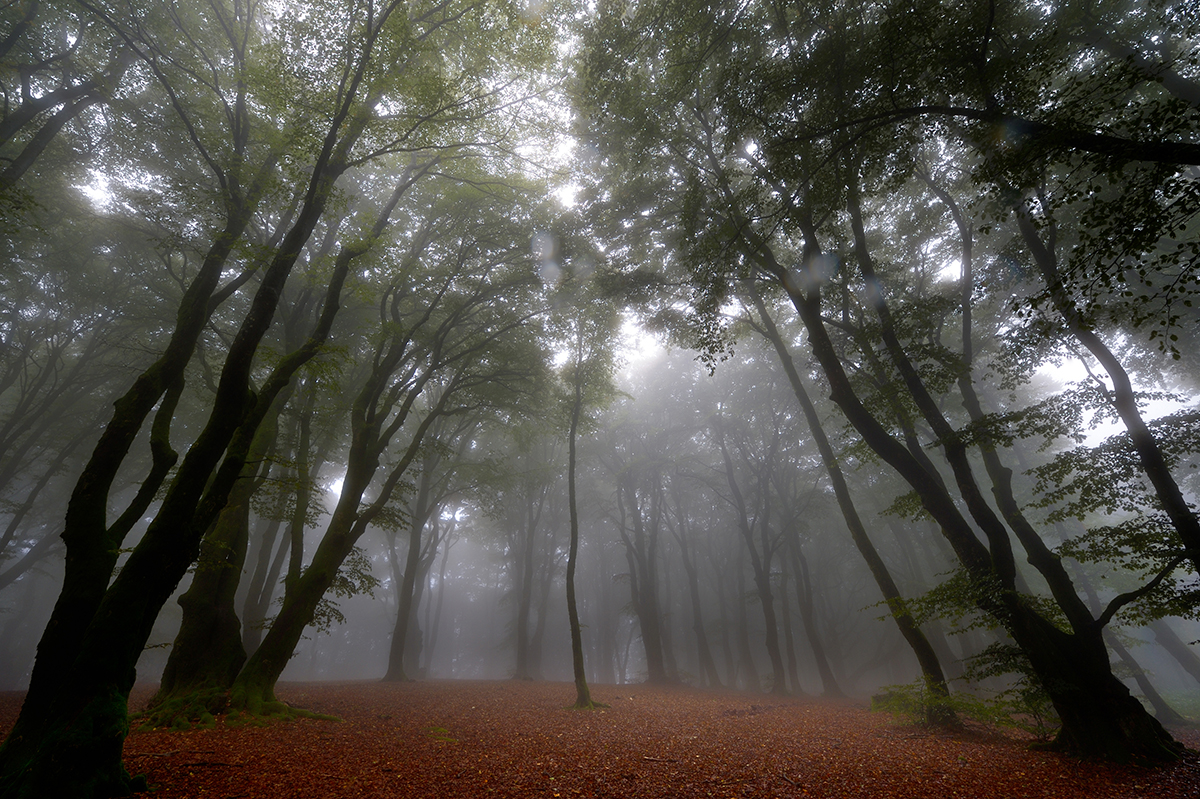
Located in the southern Morvan, mont Beuvray is a 950-hectare public forest massif that reflects the broader forest dynamics of the region. At its summit stand the remains of the capital city of one of the most powerful Gallic peoples of the 2nd century BC. Mont Beuvray thus combines a remarkable concentration of cultural values (classified site, historical monument), social values (around 100 000 visitors each year), and natural values (Natura 2000 site, remarkable tree heritage).
A mid-mountain climate
The Morvan massif has an oceanic mid-mountain climate characterized by long, harsh winters, late springs, and hot but short summers. Precipitation is abundant and varies significantly from year to year, with an annual average of 1,252 mm over the period 1991–2020, enhanced by orographic effects and exposure to prevailing southwesterly winds. The massif records a mean annual temperature of 10.5 °C and a thermal amplitude exceeding 20 °C, which gives it continental features, particularly in terms of the frequency of frost events.
Hydrogeological context
Mont Beuvray is composed of a complex of ancient volcanic and sedimentary rocks. At the surface, these rocks are weathered into relatively permeable sandy and clayey regolith. They overlie a compact and impermeable bedrock. Precipitation is the sole source of aquifer recharge: it infiltrates the weathered zone where it accumulates before percolating deeper through the fissures and fractures of the rock. This hydrogeological functioning accounts for the numerous springs and the sustained recharge of the massif’s hydrographic network.
The Morvan: a massif particularly vulnerable to climate change
Over the past fifty years, the Morvan has experienced a faster rate of warming than the adjacent lowlands, thereby exacerbating water stress and undermining the resilience of forest ecosystems. Conifer species introduced during the 20th century, such as spruce and silver fir, have been increasingly affected by recurrent droughts, pest outbreaks, and large-scale clear-cutting. Native broadleaved species are likewise exhibiting signs of decline. These ecological transformations are reshaping the physiognomy of the massif and contributing to the emergence of heightened socio-ecological tensions between forestry stakeholders and local communities.
The mont Beuvray Forest Laboratory
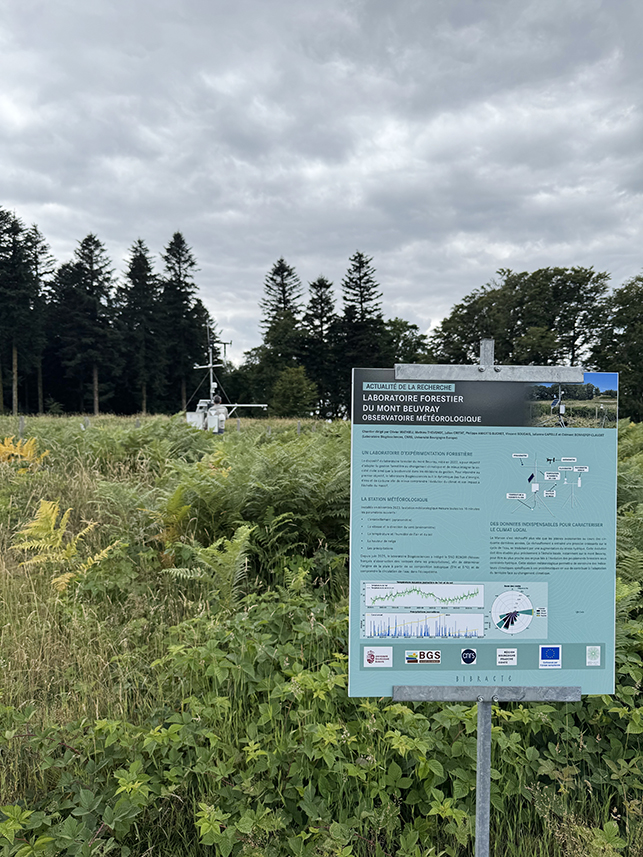
A forest laboratory was established in 2022 to support the adaptation of forest management to climate change and to better integrate both civil society and biodiversity into decision-making processes. Within this framework, the Biogéosciences laboratory has installed a meteorological station near the summit and conducts long-term monitoring of energy, water, and carbon fluxes at various sites across the massif, in order to understand climate dynamics and their impacts.

Overview of the mont Beuvray station
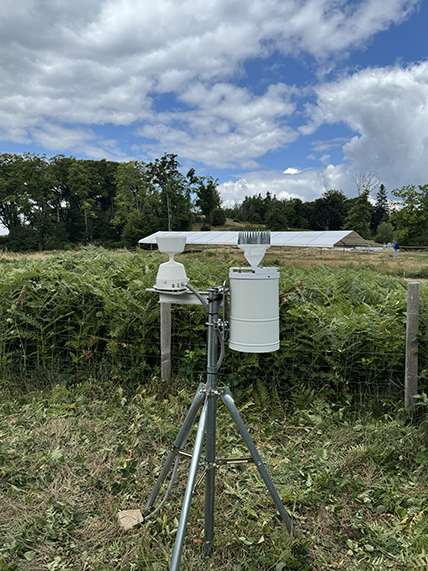
The meteorological station is located on the summit area of mont Beuvray. Since December 2023, it has been recording the following climatic parameters: solar radiation, wind speed and direction, air and soil temperature and humidity, snow depth, and precipitation. Since July 2025, the station has also been equipped with a Palmex rain gauge, providing monthly measurements.
Depuis juillet 2025, la station est équipée d’un pluviomètre Palmex, avec des relevés mensuels.
Latitude
Longitude
Altitude
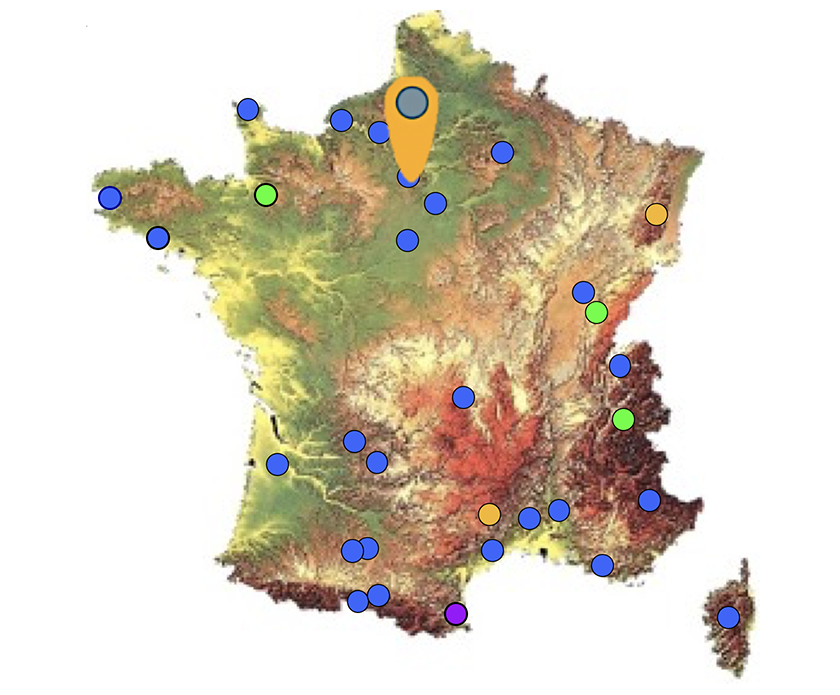
Découvrez nos stations
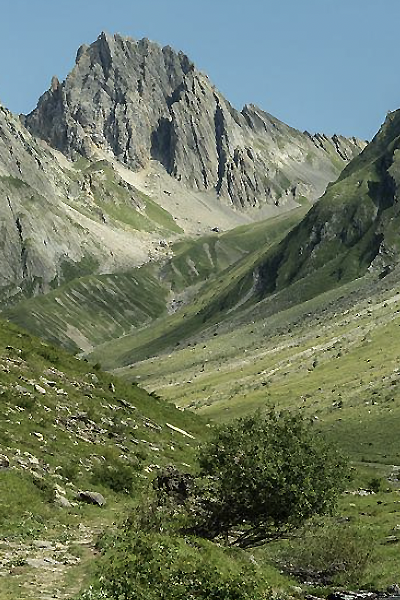
04. Draix
La station de Draix est située sur le site de l’observatoire de Draix-
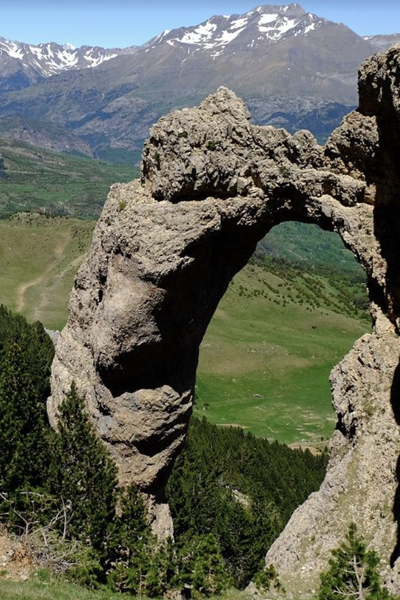
09. Baget
Le bassin versant karstique du Baget (Pyrénées, Ariège) est un
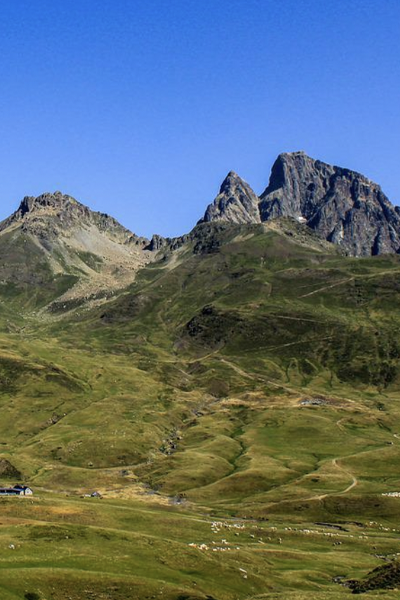
09. Bernadouze
La station de Bernadouze est située sur le site de la tourbières de
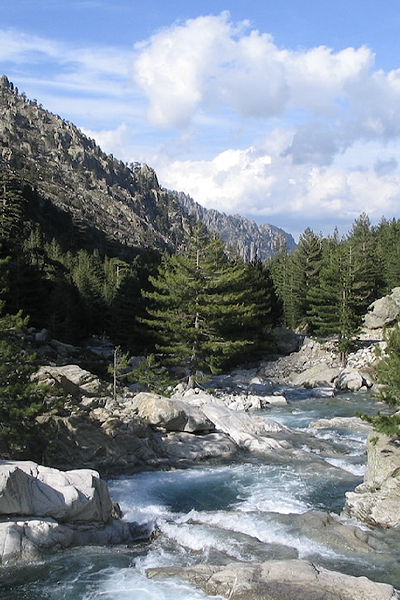
2B. Corte
La station de Corte se trouve au centre de la Corse, entre les
24. Villars
Située sur la commune de Villars en Dordogne, cette station est
25. Chevillotte
La station de Chevillotte est localisée à 15 km à l’est de
25. Frasne
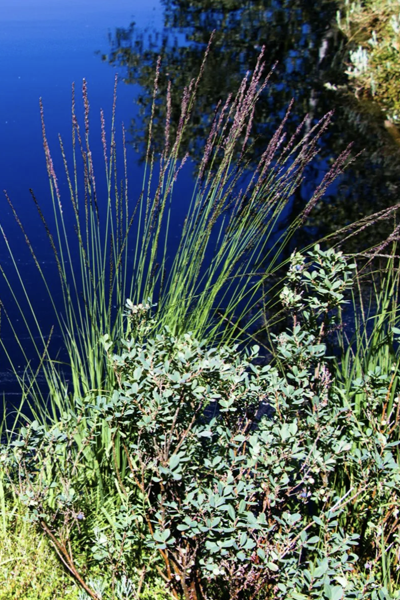
Située à 852 m d’altitude dans la vallée du Drugeon dans le Massif du
25. Port-Douvot
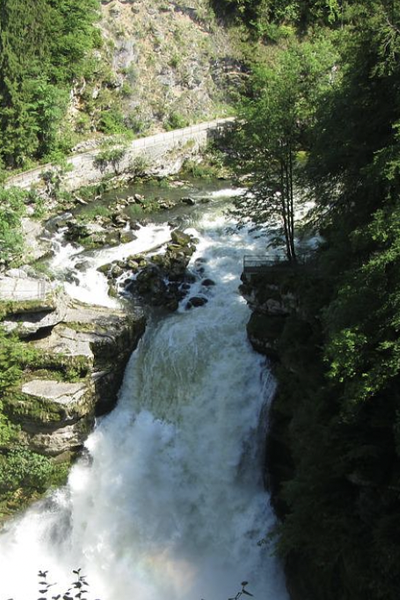
La station météorologique de Port Douvot est localisée à 5 km au

32. Auradé
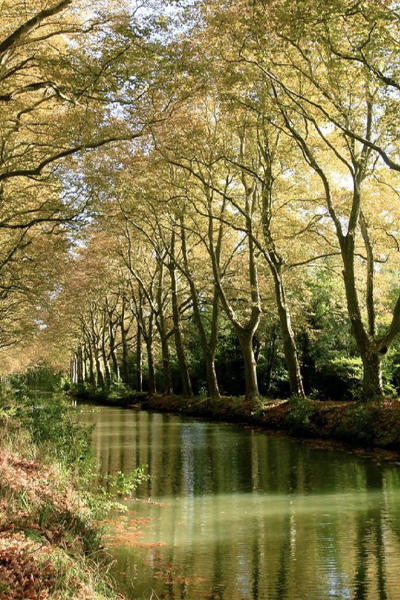
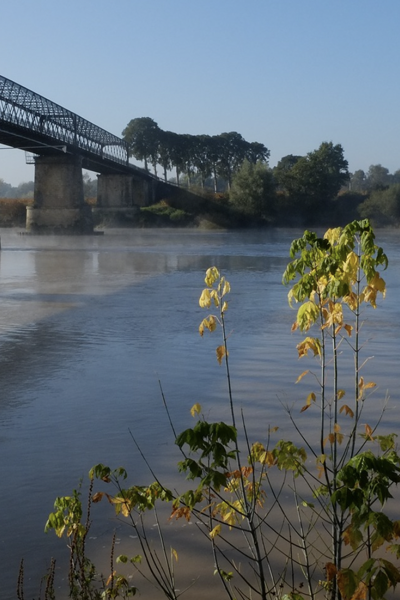
La station d’Auradé est située dans le Bassin Versant Expérimental
33. Cestas-Pierroton
La station de Cestas-Pierroton est installée sur le campus INRAE du
34. Mèze
La ville de Mèze, située sur les bords de l’étang de Thau, dans le
35. Landemarais
Située à 145 m d’altitude sur la commune de Parigné dans le Massif
45. Orléans station – Loiret
Le climat du Loiret se caractérise par des hivers doux et pluvieux,
50. Cherbourg-Intechmer
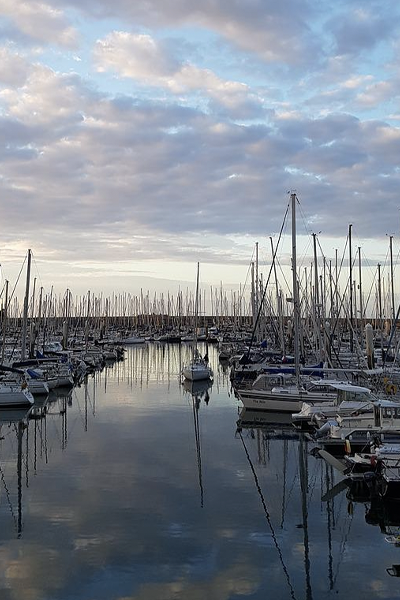
Les spécificités du site de Cherbourg-Intechmer sont celles
51. Reims
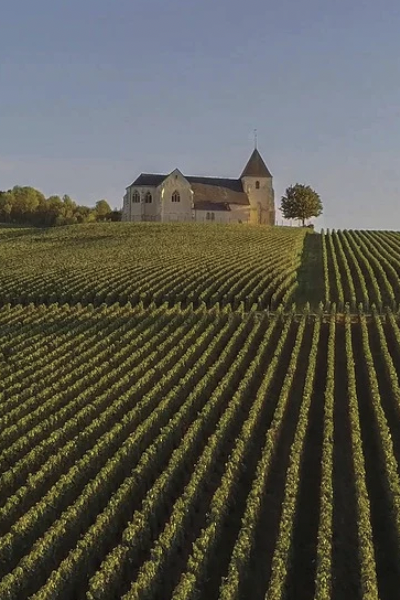
La station de Reims-Prunay est située dans le bassin-versant de
56. Ploemeur-Guidel
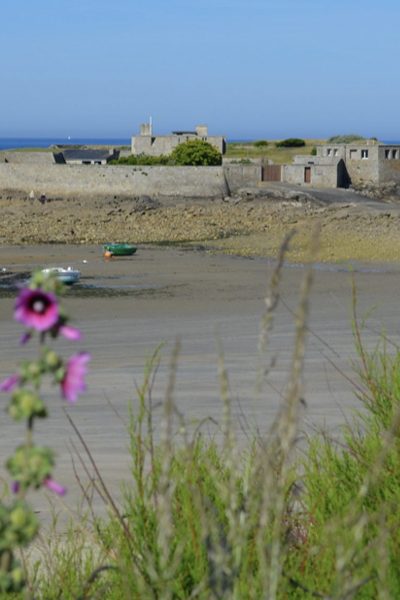
D’une superficie de 620 ha, la partie « littoral de Guidel-Ploemeur »

63. Cournon
La station météorologique de Cournon d’Auvergne est localisée
63. OPME
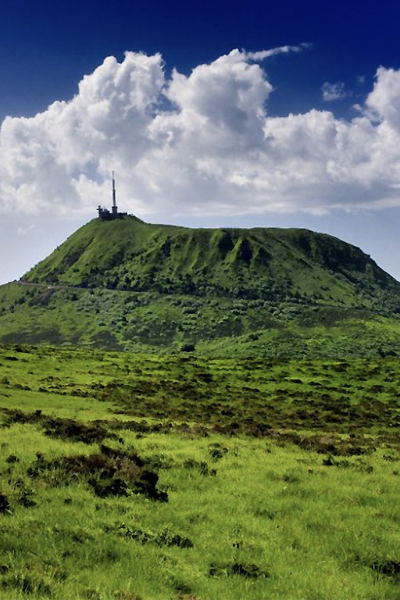
La station météorologique d’Opme est localisée à 10 km au sud de
74. Thonon-les-Bains
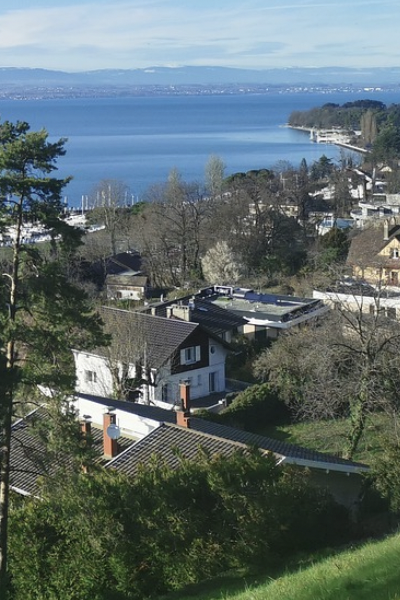
La station de Thonon-les-Bains est localisée sur le site de la Station
84. Avignon
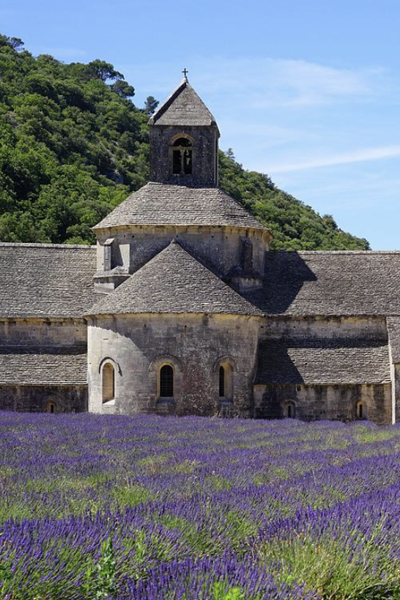
Avignon est située dans le sud de la France, à 60 km de la mer, dans la
91. Orsay station
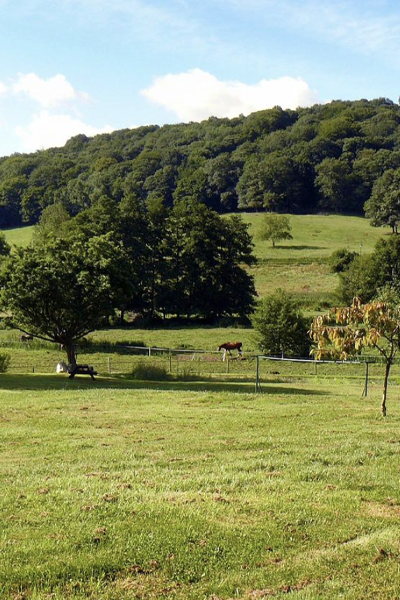
La région Île-de-France bénéficie d’un climat tempéré modéré par
972. Fort-de-France
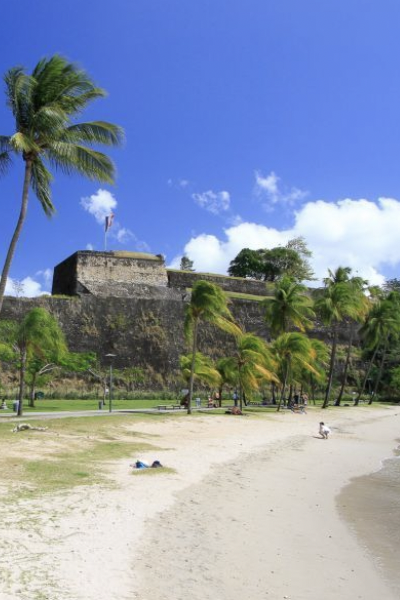
Le climat de la Martinique est de type tropical divisé en deux saisons

973. Cayenne Montabo
Le centre de recherche de Montabo est situé à Cayenne proche de
974. Grand-Ilet
Grand Îlet est un village des Hauts de La Réunion situé dans le cirque
 English
  French